Foundation Warning Signs to Check Before Remodeling
Warning signs of foundation problems include widening wall cracks, sloping floors, sticking doors, uneven windows, and gaps around trim. HomeRemodelNorthbend.com checks the pattern, location, drainage, and structure before remodeling begins.
Request an EstimateWhich Foundation Warning Signs Matter Before Remodeling?
Foundation warning signs matter before remodeling because movement can affect the safety, design, and finish of the project.
Wall cracks, uneven floors, and sticking doors can show structural movement. Some signs come from normal aging or moisture, while others point to settlement or soil movement.
We study the full pattern before work begins. That review helps us protect the remodeling plan and avoid covering an active problem with new finishes.
Foundation Warning Signs at a Glance
Foundation warning signs become clearer when several symptoms appear together. The location, direction, and change over time help us decide what needs closer review.
| Sign | What it may suggest | What we check |
|---|---|---|
| Foundation cracks | Settlement, pressure, or shrinkage | Direction, location, width changes, and nearby drainage |
| Sticking doors | Wall movement, frame change, or seasonal swelling | Door alignment and the surrounding wall |
| Sticking windows | Frame pressure or building movement | Window operation, frame gaps, and wall position |
| Uneven floors | Settlement, heaving, or floor framing concerns | Floor slope and the crawl space or basement |
| Gaps around trim | Wall separation or building movement | Baseboards, cabinets, and door casings |
| Sloping walls | Movement in walls or support areas | Wall lines, load paths, and connected rooms |
| Water intrusion | Drainage trouble or soil saturation | Gutters, grading, foundation walls, and moisture paths |
| Soil movement | Shifting support beneath the foundation | Drainage conditions and visible changes around the home |
One sign doesn't always prove foundation damage. We compare related symptoms before recommending foundation repair or remodeling work.
Ignoring Cracks That Keep Changing
Changing foundation cracks need attention because movement can continue behind the surface.
Masonry cracks may follow joints, while drywall cracks may appear near corners or openings. The crack pattern matters more than a single mark.
We document the location and direction, then connect the crack to nearby walls, floors, and drainage. Our structural assessment helps define the repair scope before finishes are ordered.
Treating Every Crack as a Simple Cosmetic Repair
Hairline cracks can be cosmetic, but horizontal cracks and stair-step cracks may need closer review.
Concrete cracks can result from shrinkage, pressure, or movement. A structural crack may also connect with floor changes or water intrusion.
We separate surface repairs from movement-related repairs. That decision keeps paint, drywall, and other remodeling finishes from hiding a continuing problem.
Overlooking Doors and Windows That Stick
Sticking doors and windows can show wall movement, settlement, swelling, or frame damage.
A door frame may shift when nearby walls move. A window frame can also bind because of humidity or seasonal expansion.
We check door alignment, window operation, and the surrounding wall before changing trim or replacing units. The goal is to identify the cause, not just force the opening to work.
Remodeling Over Uneven or Sloping Floors
Uneven floors can affect flooring, cabinets, doors, and the layout of a remodeling project.
Sloping floors may relate to settlement, heaving, or floor framing. A crawl space review can reveal support changes that aren't visible from the room above.
We check the floor slope and connected framing before installing tile, cabinets, or other finishes. Our findings guide the repair sequence and help prevent cracked or poorly aligned work.
Missing Gaps Around Trim and Cabinets
Gaps around trim can show wall separation or building movement.
Baseboards, cabinets, and door casings may pull away when walls shift. Gaps can also come from poor installation, material shrinkage, or normal movement.
We compare the gaps across connected rooms and check nearby floors and openings. That review tells us whether to repair the finish or investigate the structure first.
Ignoring Water Near the Foundation
Water intrusion can weaken finishes and point to drainage problems near the foundation.
Basement moisture and crawl space moisture may follow poor gutters, grading, or soil saturation. Ongoing water can also affect materials around foundation walls.
We trace the water path and review gutters, surface drainage, and visible foundation conditions. Our repair plan addresses water control before interior remodeling continues.
Covering Foundation Movement With New Finishes
Foundation movement can damage new flooring, drywall, tile, and paint.
New finishes may hide cracks for a short time, but they don't correct settlement or soil movement. Covering the issue can also make later repairs more disruptive.
We check the structure before selecting remodeling finishes. When needed, we place foundation repair and structural repairs before finish installation.
Skipping a Whole-Home Structural Review
Whole-home remodeling needs a structural review when warning signs appear in more than one area.
Load-bearing walls, roof loads, and floor systems work together through a connected load path. Foundation settlement can change how those parts carry weight.
We review related rooms and support areas before changing walls or adding loads. This approach helps align the remodeling plan with the needed structural repairs.
How We Check Foundation Problems Before Remodeling
Our foundation review connects visible symptoms with structure, water, and the planned remodeling work.
We explain what needs repair before work begins. Our estimate describes the observed repair scope and the work needed to move forward safely.
When Should You Call HomeRemodelNorthbend.com?
Call HomeRemodelNorthbend.com when warning signs affect movement, water control, or the safety of planned remodeling work.
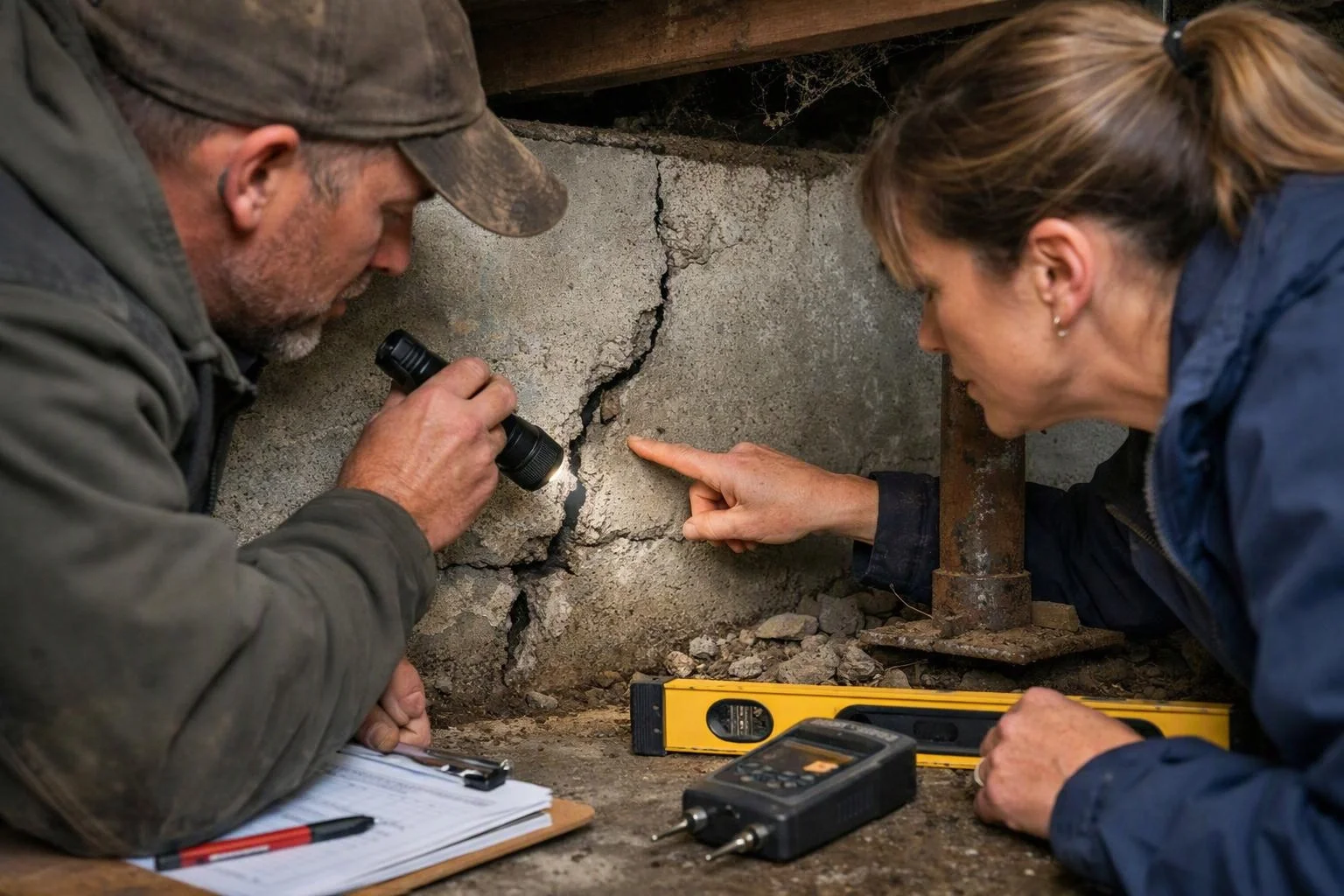
Structural repairs need careful planning and safe work practices. We assess the condition and explain the next step before remodeling proceeds.
What Changes the Cost of Foundation Repairs?
Foundation repair cost depends on the damage pattern, access, water conditions, structural scope, and repairs needed before remodeling.
Crack type can change the repair method and materials. Soil movement, drainage problems, and limited access can also expand the repair scope.
We review the affected areas and explain what the estimate includes. You can request an exact quote after our team evaluates the foundation and the planned remodeling work.
How Foundation Repair Fits Into a Remodeling Plan
Foundation repair fits into a remodeling plan before finish work when movement, water, or support problems could damage the result.
We sequence structural repairs before drywall, flooring, tile, cabinets, and paint. This order gives the structure time to support the next stage of work.
Our repair estimate separates foundation work from remodeling finishes. That clear project sequencing helps you understand the full scope before construction begins.
Our team can coordinate the remodeling plan around the needed Foundation Repair work.
Can Sticking Doors Point to Foundation Problems?
Yes, sticking doors and windows can point to foundation movement, but humidity, swelling, and frame damage can cause similar symptoms.
Door alignment changes may follow foundation settlement or movement in nearby walls. Seasonal expansion can also make one opening bind without a foundation problem.
We compare door and window operation with wall cracks, floor slope, trim gaps, and drainage conditions. That broader review helps us identify the cause before recommending repairs.
Questions About Foundation Warning Signs
Can foundation problems cause doors and windows not to open?
Yes, foundation problems can affect door and window alignment and make openings bind. HomeRemodelNorthbend.com checks nearby walls, floors, frames, and drainage to separate settlement from swelling or frame damage.
Are uneven floors always a sign of foundation problems?
No, uneven floors aren't always a sign of foundation problems. Floor framing, material changes, settlement, and heaving can all affect a floor, so we review the floor system and support areas together.
Should foundation cracks be repaired before remodeling?
Foundation cracks should be reviewed before remodeling when they change, connect with other movement, or allow water intrusion. We identify the crack type and repair scope before installing new finishes.
What should be checked when a house has both cracks and water intrusion?
A house with cracks and water intrusion needs a review of crack patterns, foundation walls, drainage, gutters, soil saturation, and interior moisture. We connect those findings to the remodeling plan before selecting structural repairs or finishes.
Plan Your Remodeling Work With a Foundation Review
Foundation warning signs can change the safest order for remodeling work. HomeRemodelNorthbend.com checks the structure, water conditions, and finish risks so you can plan the next step with clear information.
Contact us to discuss foundation repair, structural repairs, or a whole-home remodeling plan.
Request a Foundation Review