Roof Damage Signs That May Mean Repairs Aren’t Enough
Signs you need to replace a roof include widespread shingle failure, repeated leaks, sagging areas, and damage to the roof structure. HomeRemodelNorthbend.com checks the roof system and explains when replacement better fits the damage.
Request an Estimate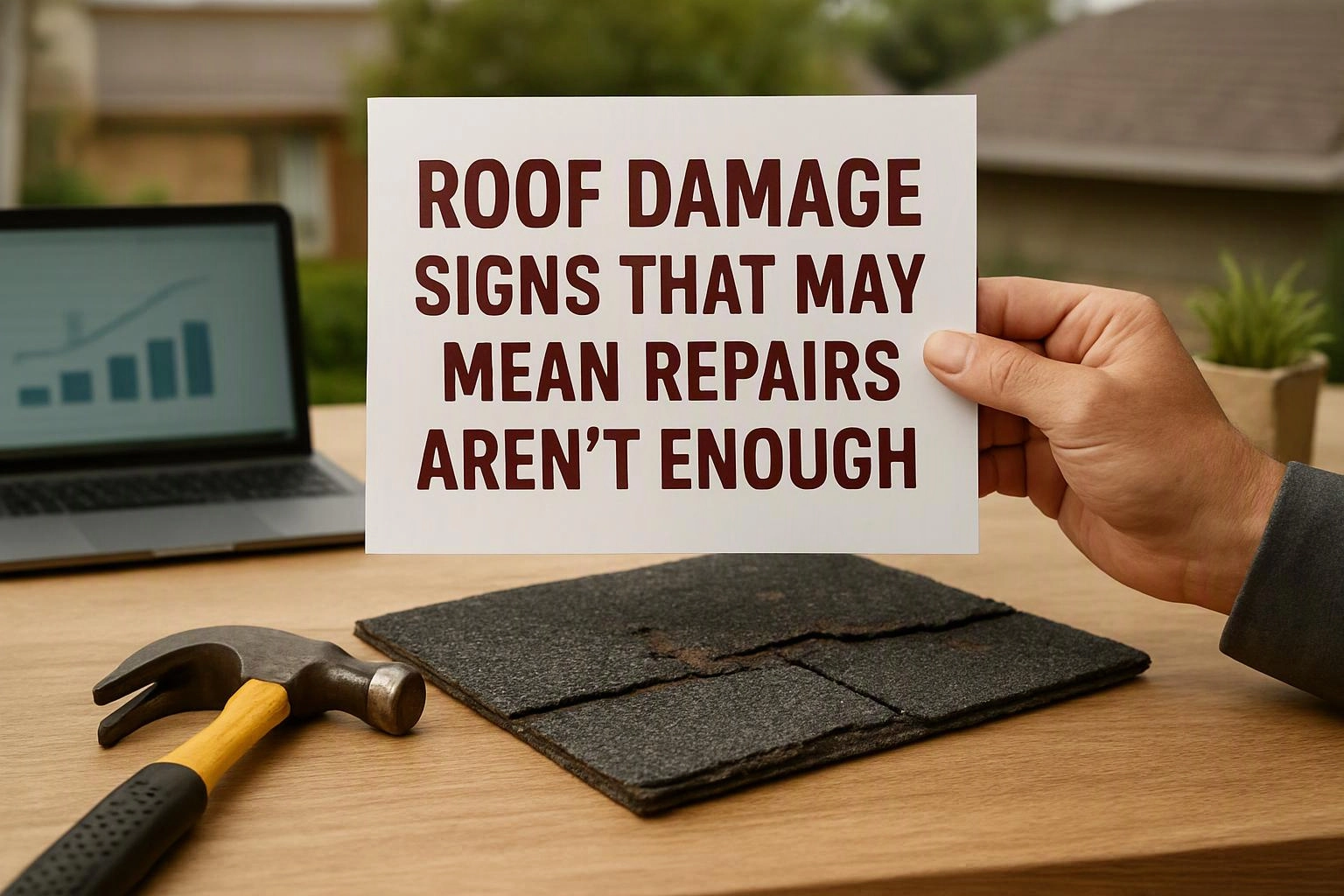
When Do Roof Damage Signs Point to Replacement?
Roof damage signs point to replacement when damage affects large areas, keeps returning, or reaches the roof structure.
Small, isolated damage may suit roof repair when the surrounding roof system remains sound. Widespread shingle failure, repeated water intrusion, and damaged roof decking can change that decision.
We inspect the shingles, flashing, underlayment, decking, and roof framing. Then we explain whether targeted roof repair or full roof replacement better addresses the cause.
How We Compare Repairs With Full Roof Replacement
Roof repair fits limited damage when the main roof system still performs well. Roof replacement fits broader failure or damage that affects the roof structure.
Our comparison looks beyond the visible roof leak. We check how shingles, roof decking, flashing, and the roof structure work together.
| Condition | Roof repair may fit | Roof replacement may fit |
|---|---|---|
| Shingles | Damage is isolated, and nearby shingles remain sound. | Missing or damaged shingles are widespread, brittle, or failing across roof sections. |
| Roof leak | The source is clear and limited to one repairable area. | Leaks return after repairs or appear in several areas. |
| Roof decking | The decking is dry, firm, and free from meaningful decay. | Moisture damage, soft decking, or rotted wood extends under the roof covering. |
| Flashing | One damaged flashing joint can be corrected. | Flashing failures combine with wider roof system damage. |
| Roof structure | The structure remains stable and undamaged. | Sagging, damaged framing, or unsafe decking requires broader work. |
Mistake: Treating Widespread Missing or Damaged Shingles as a Small Repair
Widespread missing shingles can signal roof replacement when the roof covering no longer protects the roof system.
Wind damage, brittle material, and granule loss can weaken many shingles at once. Replacing only visible pieces may leave nearby failures in place.
We map the affected areas and inspect the surrounding shingle condition. Our fix may involve roof repairs for limited damage or replacement when failure is widespread.
Mistake: Patching Repeated Roof Leaks Without Checking the Cause
Repeated roof leaks usually need a cause-based inspection before another patch is chosen.
Failed roof flashing, open roof penetrations, and damaged underlayment can direct water into hidden spaces. Water intrusion may continue even after the original stain dries.
We trace the leak path and inspect nearby roof materials. Our repair addresses the source, while broader roof damage may call for replacement.
Mistake: Ignoring Water Stains on Ceilings or Walls
Water stains on ceilings or walls show that moisture has reached the interior and needs source checking.
Ceiling damage, wall damage, and damp drywall can remain after the visible leak stops. Covering the stain does not remove the moisture damage behind it.
We inspect the roof and the affected interior area. We repair the roof cause first, then address drywall damage or drywall installation when the surface is ready.
Mistake: Overlooking Sagging Roof Areas
A sagging roof can indicate damage to the roof decking, roof framing, or other parts of the roof structure.
Moisture can weaken wood over time, and structural damage can worsen under roof loads. A sag may also point to movement that shingles alone cannot correct.
We inspect the affected framing and decking before recommending work. Our scope may include structural repairs and roof replacement when the roof system has lost support.
Mistake: Focusing on Shingles When the Roof Decking Is Damaged
Damaged roof decking must be addressed because shingles cannot create a sound roof over weak sheathing.
Moisture damage can soften sheathing and create rotted wood beneath the roof covering. New shingles over damaged material may leave the same failure below.
We check the decking during the damage assessment. We replace affected sections as part of the roof scope and explain when full roof replacement is the safer plan.
Mistake: Replacing Isolated Shingles on a Failing Roof System
Isolated shingle replacement may not solve a roof system that has widespread shingle failure or weak supporting layers.
Shingle condition, underlayment, flashing, and ventilation all affect roof performance. Repairing one visible spot can leave the surrounding system near failure.
We review the full roof system before choosing roof repairs. Our recommendation matches the condition of the materials below and around the damaged area.
Mistake: Ignoring Damaged Flashing Around Roof Openings
Damaged roof flashing around openings can allow water intrusion even when the shingles look acceptable.
Chimney flashing, skylight flashing, and vent flashing each protect a change in the roof surface. Open joints or failed seals can send moisture into the roof assembly.
We inspect each flashing transition and trace nearby staining. We repair the flashing when the surrounding roof is sound and include it in replacement work when the system has wider damage.
Mistake: Delaying Action After Storm or Impact Damage
Storm damage, impact damage, wind damage, and hail damage should receive a roof inspection before hidden problems grow.
Small tears, lifted shingles, and damaged flashing may not be easy to see from the ground. Delayed water intrusion can reach the decking and interior finishes.
We document visible damage and inspect related roof components. Our damage assessment separates repairable issues from damage that supports roof replacement.
Mistake: Covering Interior Damage Without Fixing the Roof
Drywall damage and ceiling stains need roof repairs before interior surfaces are restored.
New drywall can hide a continuing roof leak and trap moisture damage behind the finish. Wall stains may also spread when the roof source remains open.
We correct the roof leak and check the affected area before drywall installation. This sequence helps prevent the same interior damage from returning.
What Should You Check Before Choosing Roof Replacement?
A roof inspection should connect visible damage with the condition of the shingles, flashing, decking, structure, and interior.
We use the following checks to build a clear roof replacement decision.
What Changes the Cost of This Roof Decision?
The cost depends on the roof area, access, layers, material damage, structural work, and related interior repairs.
Roof replacement cost can change with roof size, roof slope, existing roof layers, material selection, and disposal needs. Roof repair cost can change with leak access, flashing work, decking damage, and the number of affected areas.
Structural repairs and drywall repair add scope when damage extends beyond the roof covering. We review these conditions during the inspection and provide a project quote based on the actual work.
When Should You Call HomeRemodelNorthbend.com?
Call HomeRemodelNorthbend.com when roof damage may involve hidden water, structural problems, or more than one roof section.
We handle the inspection and explain what can be repaired safely. Ladder work, roof access, and structural checks should not become a do-it-yourself task when conditions are uncertain.
How We Plan the Right Roof Repair or Replacement
HomeRemodelNorthbend.com starts with a roof inspection and a focused damage assessment.
We review the roof covering, flashing, underlayment, decking, roof framing, and interior water damage. We also consider applicable code and inspection criteria when the work affects structural components or the roof assembly.
Next, we explain the repair path and the replacement path in plain language. Our project quote identifies the roof work, structural repairs, and drywall installation that the damage requires.
For broader roof needs, our Roof Replacement service addresses the roof system as a complete assembly. We plan the work around the actual condition found during inspection.
Contact HomeRemodelNorthbend.com to schedule an inspection and discuss the right roof decision for your home.
Questions About Roof Damage and Replacement
Can repeated roof leaks mean the roof needs replacement?
Yes, repeated roof leaks can mean replacement is needed when repairs no longer stop water intrusion. HomeRemodelNorthbend.com traces each leak and checks whether the roof system, decking, and flashing have broader damage.
Do water stains inside mean the roof needs to be replaced?
No, water stains alone don't prove that the whole roof needs replacement. The stains show that moisture entered the home, so we inspect the leak source and surrounding roof materials before choosing repair or replacement.
Can missing shingles be repaired without replacing the whole roof?
Yes, missing shingles can be repaired when the damage is isolated and the surrounding roof remains sound. Widespread missing or damaged shingles may show that the roof covering is failing across larger areas.
Does a sagging roof always require structural repairs?
No, a sagging roof doesn't always require the same structural work. Sagging can involve decking, roof framing, or other support, so we inspect the affected area before defining the repair scope.
Related Resources
Basement Remodel Cost Factors and How to Compare Quotes
What It CostsGarage Conversion Cost Factors and How to Compare Contractor Quotes
What It CostsRoof Replacement Cost Factors and What to Check in a Contractor Quote
Everything About ItBasement Remodeling Options: How to Plan a More Useful Lower Level