Basement Moisture Warning Signs to Address Before Remodeling
Basement moisture signs include musty odors, stains, peeling paint, damp walls, mold growth, and spongy flooring. HomeRemodelNorthbend.com checks the source and affected materials before our team installs new drywall or flooring.
Request an Estimate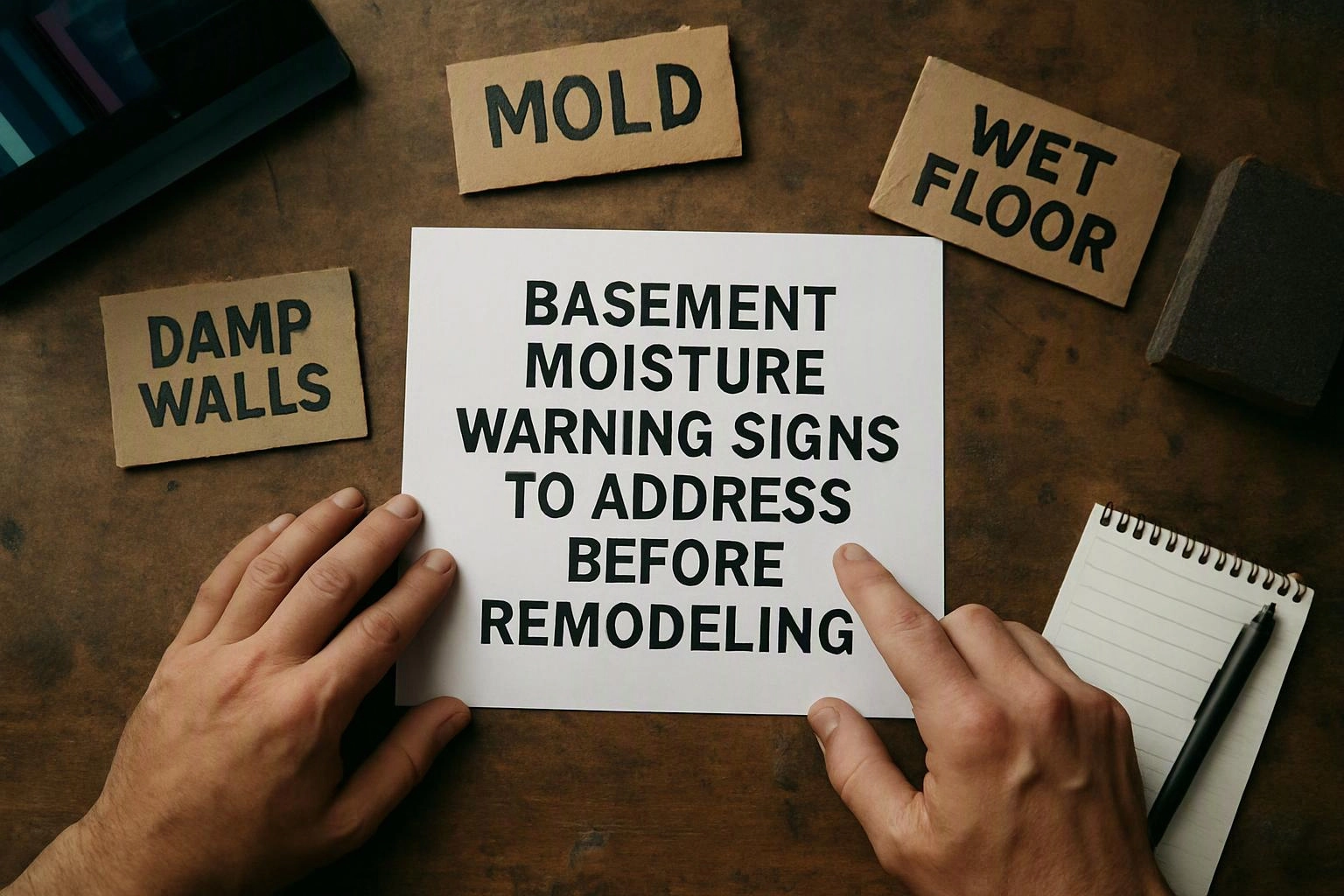
Why Basement Moisture Must Be Addressed Before Remodeling
Basement moisture must be addressed before remodeling because new finishes can hide active leaks and trap damage behind walls or floors.
Water damage can weaken drywall, flooring, and wall framing. Moist conditions can also support mold growth behind finished surfaces.
We trace the likely moisture source before planning finish work. Our team checks whether water entry comes from foundation moisture, plumbing, drainage, or condensation.
That review helps us define a safer remodeling plan. It may include material removal, drying, surface repair, or correction of the active leak.
For more planning guidance, see our basement remodeling services.
Basement Moisture Signs to Check Before Work Begins
Basement moisture signs show up as odors, stains, surface changes, and soft materials before damage becomes visible everywhere.
We compare each sign with nearby materials and possible water paths. The pattern matters because one symptom can have more than one cause.
| Sign | What it can suggest | Remodeling concern |
|---|---|---|
| Musty odor | Hidden moisture or mold | New finishes may seal in the source |
| Water stains | Past or active water entry | Paint may fail over an active leak |
| Peeling paint | Wall moisture or poor surface bonding | Fresh paint may blister again |
| Efflorescence | Water migration through masonry | Masonry may still be receiving moisture |
| Mold | Persistent damp conditions | Affected material may need removal |
| Damp walls | Water intrusion or condensation | Drywall installation may be premature |
| Spongy flooring | Wet or weakened subfloor | Flooring may hide rot or movement |
| Condensation | Moist air meeting a cool surface | Finishes may remain damp after installation |
Ignoring a Musty Basement Smell
A musty basement smell can indicate hidden moisture, mold, or poor air movement.
The odor may come from wet drywall, framing, flooring, or concealed water damage. Covering the smell can leave indoor air concerns unresolved.
We follow the odor toward damp materials and possible moisture sources. Our team includes those findings in the remodeling scope before finish installation.
Covering Water Stains on Basement Walls or Ceilings
Water stains on basement walls or ceilings can point to a wall leak, ceiling leak, or earlier water entry.
Stain-blocking paint can improve appearance, but it can't correct an active leak. New paint may fail when moisture continues behind the surface.
We inspect the area around the stain and trace likely water paths. Our team repairs the affected conditions before preparing the surface for new finishes.
Installing Drywall Over Damp Basement Walls
Drywall installation over a damp wall can trap moisture against the wall framing.
That trapped moisture can damage drywall and support mold growth. It can also make later repairs more disruptive.
We check wall moisture and the condition of the framing before installation. Our team removes damaged material when needed and confirms the wall is ready for finish work.
Painting Over Peeling or Bubbling Paint
Peeling or bubbling paint usually means the surface has wall moisture, weak bonding, or poor preparation.
Painting over the problem creates a short-term finish and leads to paint failure. The new coating may lift when moisture remains below it.
We identify the source and remove loose material before painting. Our surface preparation matches the wall condition and the planned finish.
Laying Flooring Over a Damp or Spongy Subfloor
A spongy floor can signal a damp subfloor, weakened structure, or wood rot below the finish.
Flooring installation over soft material can hide movement and allow damage to spread. Floor moisture can also affect the new flooring system.
We inspect the subfloor and surrounding floor structure before installation. Our team includes material removal and subfloor repair when the condition requires it.
Treating Efflorescence as a Cosmetic Problem
Efflorescence is a white powder left behind when water migrates through masonry.
The deposit can appear on a foundation wall after moisture moves through the concrete or block. Cleaning the powder doesn't stop foundation moisture.
We inspect the wall and look for water entry around the basement. Our remodeling plan accounts for the moisture source before covering the masonry.
Hiding Mold Behind New Finishes
Mold growth behind new finishes can leave hidden water damage and ongoing moisture problems.
New drywall or flooring may conceal affected framing and make the source harder to locate. Mold remediation and material removal may be needed before remodeling continues.
We inspect visible growth and the materials around it. Our team traces the moisture source and defines the affected area before finish installation.
Remodeling Before Checking Drainage and Plumbing Areas
Remodeling before checking drainage and plumbing areas can leave water entry active behind new finishes.
We look at the sump pump, floor drain, grading, and nearby plumbing areas. These conditions can help explain basement water intrusion and recurring dampness.
Our team coordinates the remodeling plan with the condition of those areas. Plumbing or drainage work that requires regulated trade work should be handled through the proper licensed process.
How Moisture Changes the Remodeling Scope
Moisture changes the remodeling scope by adding source control, damaged-material removal, drying, and surface repairs before finishes can be installed.
A dry-looking room may still have moisture inside drywall, framing, or the subfloor. We check those conditions before setting the finish plan.
The final scope depends on the moisture source, the affected materials, and the condition of the existing surfaces. Our quote explains the work included for drywall installation, flooring installation, material removal, and subfloor repair.
How to Tell if a Finished Basement Hid Water Damage
A finished basement may have hidden water damage when fresh finishes appear beside stains, odor, uneven flooring, or patched surfaces.
We compare these signs with the wall, floor, and drainage conditions. That review helps us separate normal finish updates from hidden water damage.
What We Check Before Basement Remodeling Starts
HomeRemodelNorthbend.com checks visible moisture signs, affected materials, and likely water paths before our team plans the remodel.
We use the findings to define the project scope clearly. Our team doesn't install new finishes over conditions that need correction first.
When to Call HomeRemodelNorthbend.com About Basement Moisture
Call HomeRemodelNorthbend.com when moisture affects the planned remodeling area or the source isn't clear.
Some conditions need more than surface cleaning or a new finish. We check the affected area and explain what the remodeling plan must address.
Plan a Moisture-Ready Basement Remodel
A moisture-ready basement remodel starts with identifying water entry, correcting affected conditions, and choosing finishes that suit the space.
Our moisture assessment helps connect visible signs with the project scope. We then plan drywall installation, flooring installation, repairs, and finish work around the condition of the room.
HomeRemodelNorthbend.com can help you move from warning signs to a clear remodeling plan. Contact our team to discuss the basement conditions and request an exact quote.
Questions About Basement Moisture Before Remodeling
Can a musty basement smell go away after remodeling?
A musty basement smell can return after remodeling if hidden moisture remains. HomeRemodelNorthbend.com traces the odor, checks affected materials, and addresses the source before new finishes are installed.
Does peeling basement paint always mean there is a leak?
No, peeling basement paint doesn't always mean there is an active leak. Wall moisture, condensation, and poor surface preparation can also cause paint failure, so we check the surface and nearby conditions.
Can new flooring be installed over a damp basement floor?
No, new flooring shouldn't be installed over a damp basement floor until the moisture source and floor condition are addressed. We inspect the floor moisture and subfloor before planning flooring installation.
What should be removed before repairing basement water damage?
Damaged drywall, mold-affected material, wet insulation, and weakened flooring may need removal before repairs. We identify the affected materials and include safe material removal in the remodeling scope.