Bathroom Problems That May Signal It’s Time to Remodel
Bathroom remodeling warning signs include recurring leaks, mold, poor ventilation, damaged finishes, unsafe layouts, and outdated plumbing or electrical systems. HomeRemodelNorthbend.com checks the source of each problem and plans repairs or remodeling around lasting safety and function.
Request an Estimate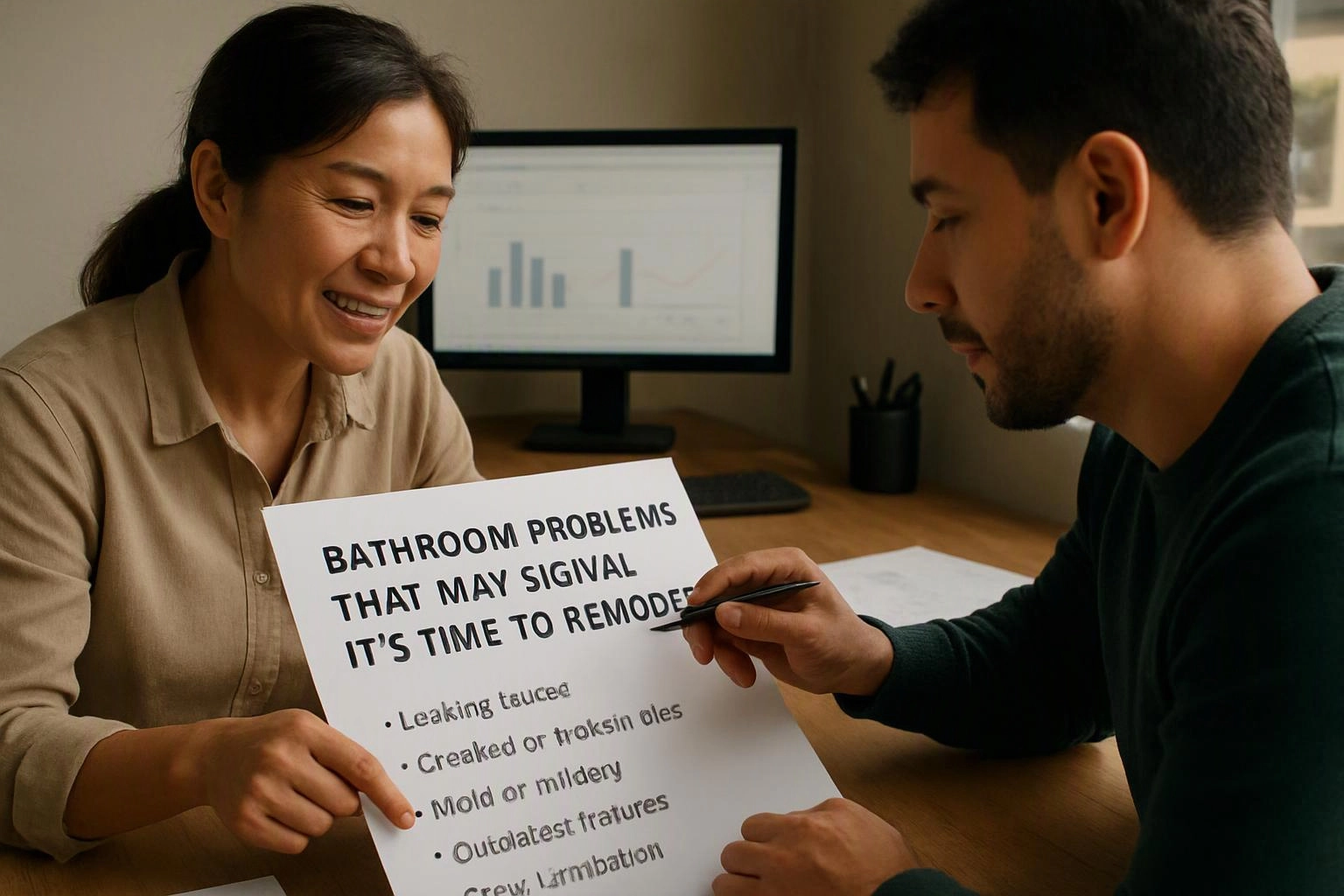
Bathroom remodeling addresses warning signs and renovation mistakes that affect bathroom safety, durability, and function. Our team looks beneath visible finishes before we recommend a bathroom update or larger remodel.
Which Bathroom Problems Signal a Remodel?
Bathroom remodeling may be needed when repeated damage, unsafe conditions, or poor function cannot be solved with surface repairs.
Recurring leaks can point to damaged plumbing, failed waterproofing, or a weakened subfloor. Mold can signal trapped moisture, while poor ventilation can keep the room damp after normal use. We assess water damage, bathroom layout, plumbing, and electrical safety together because one visible problem can have several causes.
A remodel may also make sense when fixtures restrict movement, finishes keep failing, or older systems cannot support the planned update. Our team connects each symptom to the repair or renovation work it requires.
See our Bathroom remodeler service to understand how we plan this work from inspection through installation.
Bathroom Remodel Warning Signs at a Glance
The strongest warning signs connect visible damage with a hidden moisture, safety, layout, or system problem. The table below shows what each sign may indicate and how we respond.
| Warning sign | Possible underlying issue | What we check |
|---|---|---|
| Leaks or recurring damp spots | Plumbing failure or hidden water damage | Supply lines, drain lines, walls, and subfloor |
| Mold or mildew | Ongoing moisture or poor air movement | Moisture source and affected materials |
| Poor ventilation or condensation | Insufficient exhaust or blocked airflow | Exhaust fan function and moisture movement |
| Failed grout or damaged tile | Movement, water intrusion, or failed waterproofing | Tile assembly, membrane, and wet area |
| Unsafe bathroom layout | Poor clearance or fixture placement | Door swing, shower access, and movement paths |
| Outdated plumbing or electrical work | Aging lines, wiring, or missing protection | Connections, GFCI protection, and code needs |
Mistakes That Turn Bathroom Problems Into Bigger Projects
Bathroom remodel mistakes usually happen when the underlying cause is missed, the scope is unclear, or critical systems are handled without proper checks.
Remodel planning must account for moisture control, building code, system access, and the full project scope. We check these items before finish selections lock the work into an incomplete plan.
Mistake: Covering Water Damage Without Finding the Leak
Covering water damage without finding the leak allows plumbing problems to continue behind new finishes.
Water can reach the subfloor or wall cavity through failed connections, seals, or shower assemblies. Surface patches may hide the damage and increase later repair work.
Our team traces the likely source, checks affected materials, and defines the repair scope before rebuilding. Leak detection may lead to plumbing repairs, drying work, or a broader remodel when damage has spread.
Mistake: Treating Mold as Only a Cleaning Problem
Bathroom mold needs more than cleaning when a continuing moisture source has damaged the room.
Condensation, plumbing leaks, and wet wall or ceiling materials can support repeated growth. Cleaning alone does not correct damaged materials or poor moisture control.
We locate the moisture source, assess wall and ceiling damage, and plan suitable remediation. The cost depends on affected materials, access, and whether the room needs ventilation or waterproofing work.
Mistake: Remodeling Without Fixing Poor Ventilation
Bathroom ventilation must be addressed when condensation and mildew return after remodeling.
An exhaust fan that moves too little air, vents poorly, or cannot control humidity leaves new finishes exposed. Moisture can damage paint, grout, cabinets, and framing over time.
Our team checks exhaust fan performance and the path of moisture through the room. We include ventilation changes in the remodel scope when the existing setup cannot protect the finishes.
Mistake: Installing Tile Without Proper Waterproofing
Tile installation needs a continuous shower waterproofing system beneath the visible surface.
Tile and grout resist water, but they do not replace a membrane in a wet area. Gaps, weak transitions, or a missing membrane can cause water intrusion behind the assembly.
We plan the membrane, seams, corners, penetrations, and drain connection before setting tile. The cost depends on the shower condition, access, substrate repairs, and selected tile system.
Mistake: Choosing Tile Before Planning Drainage and Slope
Shower drainage and floor slope must be planned before the tile layout is finalized.
A poor slope can leave standing water, weaken grout, and make the shower harder to use. Tile size and pattern also affect how the floor can follow the planned slope.
Our crew coordinates the drain, floor slope, waterproofing, and tile layout as one system. We correct substrate or drainage conditions before tile installation begins.
Mistake: Keeping an Unsafe or Unworkable Bathroom Layout
An unsafe bathroom layout can restrict clearance, shower access, and daily movement.
A door swing may block a fixture, or fixture placement may leave too little room around the toilet or vanity. These problems become harder to fix after tile and cabinetry are installed.
We review clearances, door swing, shower access, and accessibility needs during layout planning. The cost depends on whether fixtures stay in place or require plumbing and structural changes.
Mistake: Ignoring Outdated Plumbing and Electrical Systems
Outdated bathroom plumbing and electrical systems can limit safe fixture upgrades.
Old drain lines, water supply lines, wiring, or missing GFCI protection may create problems during inspection. Hidden system work can also affect walls, floors, and the project scope.
We review plumbing and electrical conditions before closing the walls. Our team coordinates required work with building code and code inspection requirements, and regulated work is completed by the proper licensed trade through our project process.
Mistake: Choosing Finishes Before Defining the Full Remodel Scope
Finish selection should follow the full remodel scope, not determine it by itself.
Fixtures, cabinetry, tile, and lighting depend on the layout, plumbing, electrical plan, and moisture control. Early selections can conflict with required repairs or available clearances.
We define the work first, then coordinate finish selection with the planned installation. This approach keeps the bathroom update aligned with safety, function, and the available project scope.
How We Check Whether a Bathroom Needs Remodeling
Our bathroom inspection connects visible problems with the repairs and remodeling work beneath them.
What Changes the Cost of Fixing These Bathroom Problems?
Bathroom remodeling cost depends on damage beneath the finishes, system changes, layout changes, material choices, and the work needed to meet inspection requirements.
Water damage can add subfloor, wall, ceiling, or framing repairs. Plumbing changes can involve drain lines, water supply lines, fixture movement, and access to concealed connections.
Electrical changes may involve wiring, lighting, outlets, and GFCI protection. Material selection also affects the work, including tile, cabinetry, fixtures, waterproofing systems, and trim.
We prepare an exact quote after reviewing the condition and project scope. Our owner-provided pricing offer is Free Estimates Available, and we explain what the estimate includes before work starts.
When to Call HomeRemodelNorthbend.com Instead of Doing It Yourself
Call HomeRemodelNorthbend.com when a bathroom problem involves hidden moisture, regulated systems, structural damage, or a full remodel scope.
Our team protects the project from hidden conditions and unsafe system work. We also define the repair boundary before finishes are removed.
How to Start a Bathroom Remodel With Fewer Mistakes
Start with a complete assessment that connects visible bathroom problems to their underlying causes and required repairs.
Begin by recording recurring leaks, mold, condensation, failed grout, damaged tile, and layout concerns. Share where the problem appears and when it returns, so we can focus the inspection.
HomeRemodelNorthbend.com reviews the condition, defines the remodel scope, and explains the work needed for plumbing, electrical safety, waterproofing, and tile installation. Our team then coordinates materials and finishes with the approved plan.
Contact us to discuss your bathroom problems and request an assessment. We’ll help you choose a clear path from warning signs to lasting repairs.
Get a Free EstimateQuestions About Bathroom Remodel Warning Signs
Can bathroom mold mean the bathroom needs to be remodeled?
Yes, bathroom mold can mean the room needs remodeling when moisture has damaged materials or keeps returning. HomeRemodelNorthbend.com checks the moisture source, affected surfaces, ventilation, and waterproofing before planning remediation or replacement.
Should bathroom tile be replaced after water damage?
Bathroom tile should be replaced when water damage has affected the substrate, membrane, grout, or surrounding materials. We inspect the tile assembly and repair the cause before choosing between targeted repairs and a full replacement.
What bathroom problems should not be handled as a DIY repair?
Hidden leaks, damaged subfloors, shower waterproofing, electrical wiring, plumbing changes, and structural repairs should not be handled as DIY work. We assess these conditions and coordinate regulated work with code and inspection requirements.
How do you know if a bathroom leak is behind the wall?
A bathroom leak may be behind the wall when staining, soft materials, recurring dampness, failed grout, or odor appears away from the visible fixture. We trace the plumbing and moisture path before opening or rebuilding the affected area.
What should a bathroom remodel assessment include?
A bathroom remodel assessment should include moisture, plumbing, electrical, layout, drainage, waterproofing, tile, and finish reviews. We use those findings to define the remodel scope and explain the work included in the quote.
Related Resources
Standard vs Premium Bathroom remodeler Systems & Materials Compared (2026)
Compared ToLocal Specialist vs National Bathroom remodeler Providers in North Bend: Cost & Service Compared
What It CostsKitchen Remodel Cost Factors and How to Prepare for a Quote
What It CostsBathroom Remodel Cost Factors and What to Include in a Quote